

About
Species Identification
Deep-sea and Mesophotic species identification can be difficult without a specimen in hand. None the less, we can still try to identify as much as possible to help the US Management Counsels make marine environment management decisions.
Data Collection
Data, and lots of it. Collecting and managing very large data sets is my specialty. One of my databases has a table with over a million records, if that gives you an idea what I deal with. The whole point of going to sea is to – get this- COLLECT DATA!
Habitat Classification
Habitat classification is the goal. Using giant data sets to map out areas of deep-sea and mesophotic habitat to help determine the locations of sensitive habitats.
Research
Deep Sea and Mesophotic Habitats
Deep Coral HAPC
The Deep Coral HAPC (Habitat Area of Particular Concern) is a 11,000 km2 area of the eastern coast of Florida.Closed in 2010
The Deep Coral HAPC was closed to bottom trawling as a result of our research in 2010.
Oculina HAPC
The Oculina Habitat Area of Particular Concern is a 1800 km2 area off the Eastern Coast of FloridaClosed in 1981 and Expanded in 2011
The Oculina Habitat Area of Particular Concern was originally closed in 1982 and expanded based on our discoveries in 2011.
South Atlantic MPAs
Monitoring MPAs off the US from Jacksonville To North CarolinaSouth Atlantic Marine Protected Areas
Every summer we cruise the eastern coast of Florida diving the mesophotic reefs monitoring the fish and hard bottom habitat health.
Pulley Ridge HAPC
100 miles off Key West, its the deepest shallow water reef in the continental USClosed in 2005 and expanded 2019
We have done more work on Pulley Ridge then anyone else. We found a 93% coral loss on the main ridge of the reef and a huge area of new coral recruits outside the main HAPC. This is what triggered the expansion proposal in 2019. More…
FKNMS, TER and the Pourtalès and Miami Terraces
Our most recent cruise was off the Florida Keys and the Tortuga's Ecological ReserveWe have completed at least 4 cruises in recent years that covers the areas off the coast of Miami to off shore of Key West. This includes the southern most Lophelia reef in US waters, sink holes, escarpments, mesophotic and deep reefs, just to get started.
Cuba's Mesophotic Coral Reefs
We worked with Cuban Scientists to conduct ROV dives around the entire coast of Cubain 2016 we circumnavigated Cuba
We are still working on this data.
At The Surface
Mesophotic Habitats
Mesophotic or the “middle light” zone exists at about 30 to 150 meters (100-500 feet) beneath the surface, is the deepest that sunlight can penetrate the ocean and past recreational SCUBA depths. Only recently, with the invention of tech diving and deep submergence vehicles, have we been able to study it in-depth.
First, mesophotic coral ecosystems (MCEs) have a wide diversity of species, many new to science. Despite these newly discovered species, there are many common shallow-water fauna that are also found at these depths. It is for this reason, that many researchers believe that the mesophotic zone could help replenish stressed shallow water reefs.
Currently, there are studies that are looking at the connectivity between the shallow water reefs and mesophotic coral ecosystems. Many of these include genetic studies.
Deep Sea
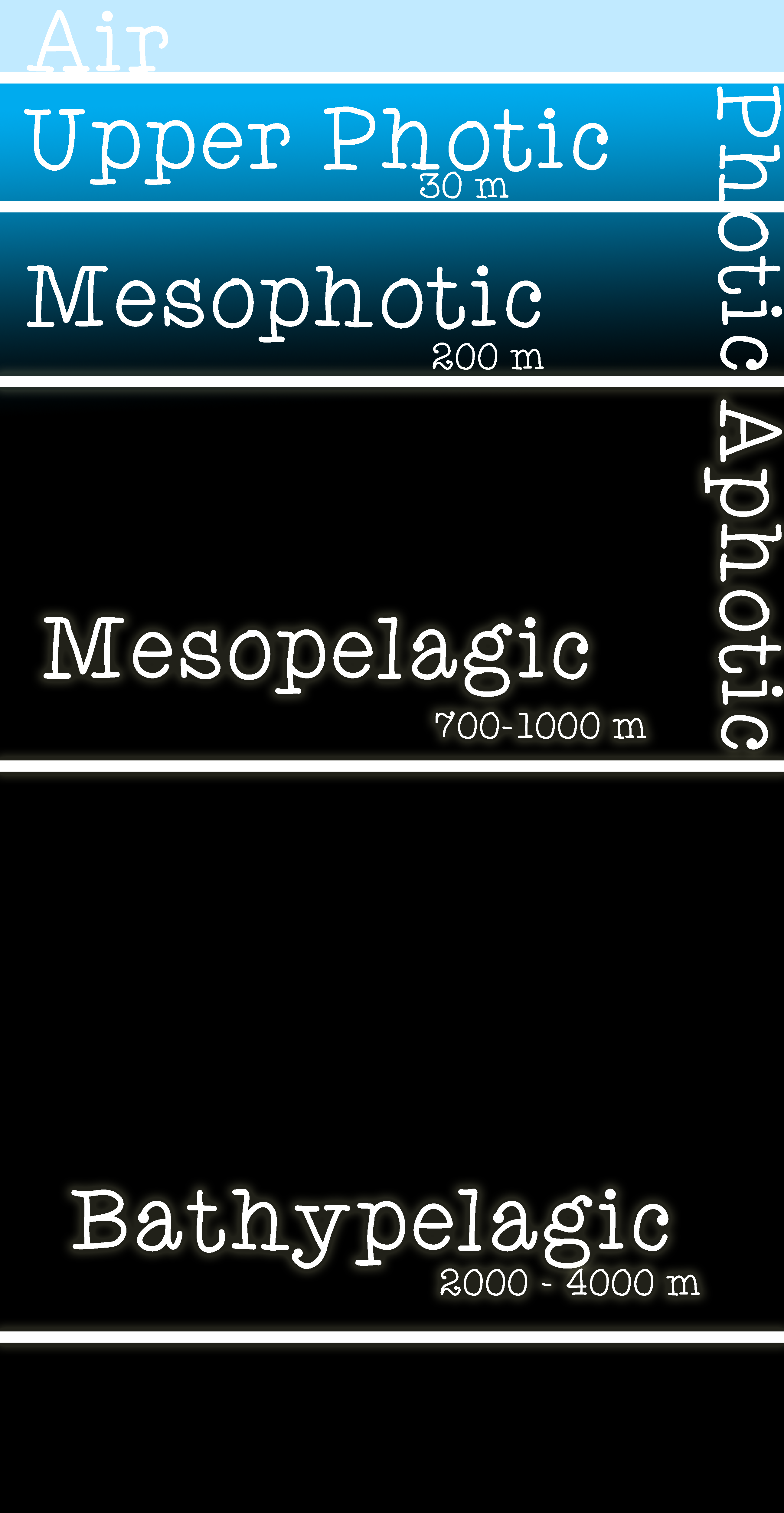
The area past the mesophotic zone (>150 m/500 feet) we consider the deep sea. There is no surface light past these depths, therefore there is no photosynthesis and algae, plants and phytoplankton cannot live in this zone. Since these primary producers can’t live here, the deep sea gets energy from elsewhere. There are a few ways of doing this. The first is chemosynthesis. Chemosynthesis is when bacteria use natural chemicals as a primary food source such as on hydrothermal vents and methane seeps. Finally, and most common is this the consumption of marine snow that drifts down from the photic zone. This sinking organic material is comprised of particulate organic matter (POM) from algal particulates, detritus, and poop from the fauna above.
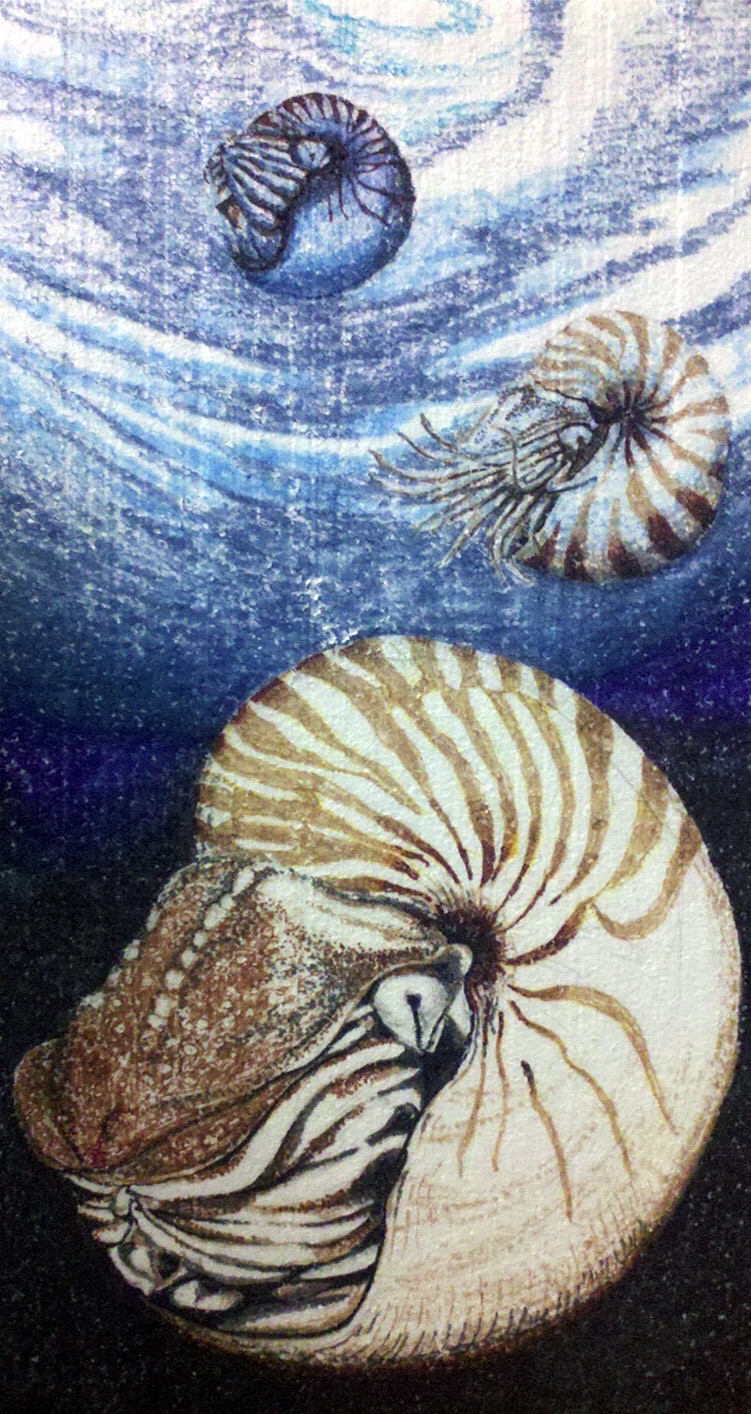
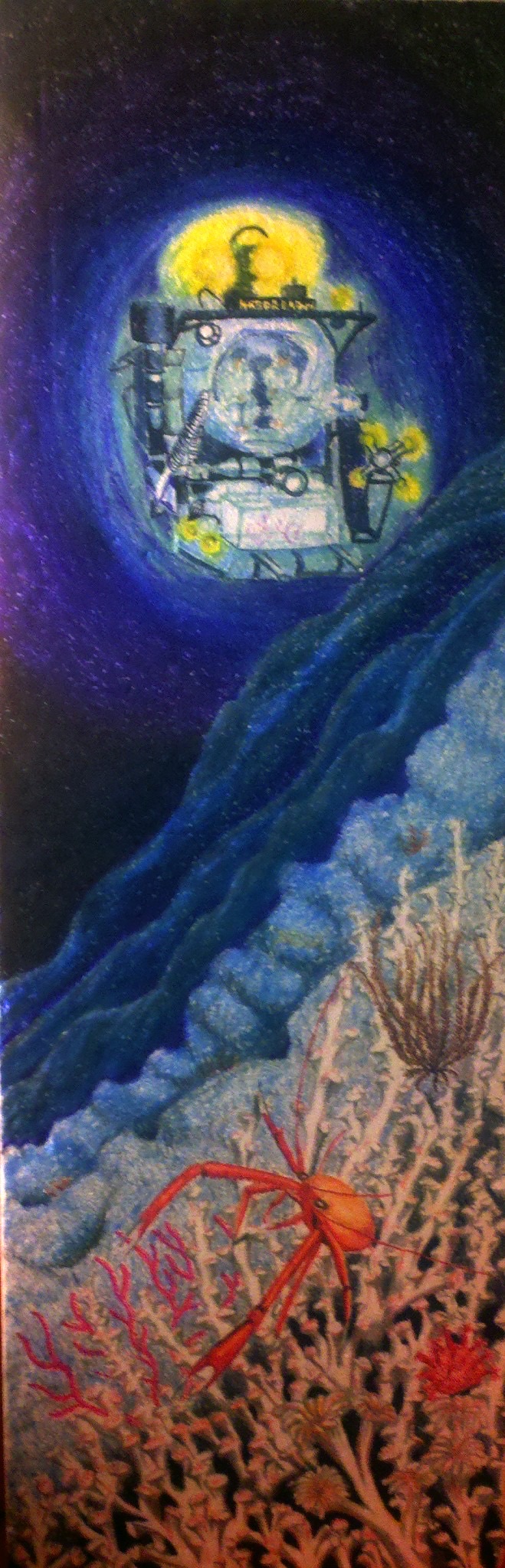
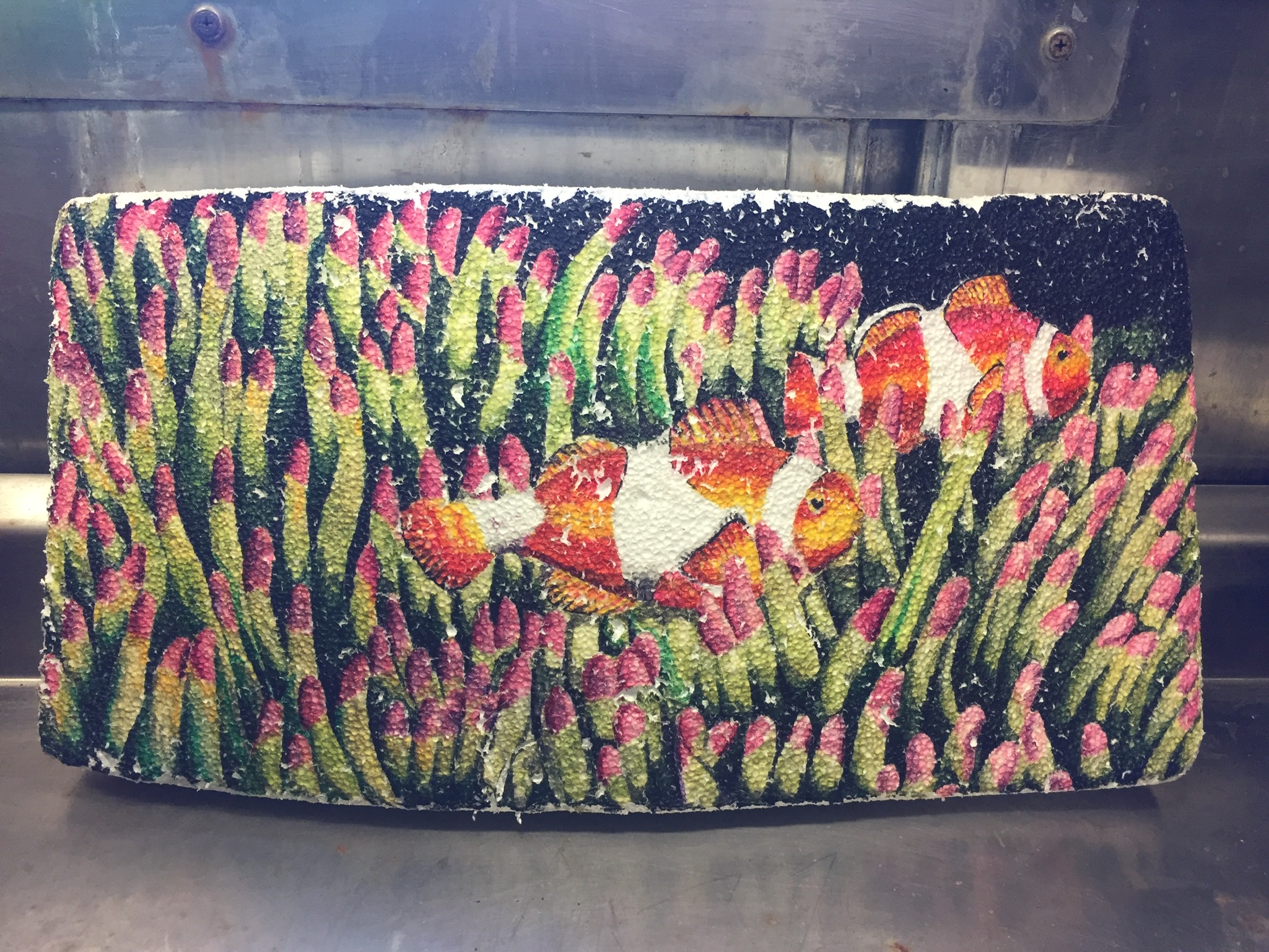
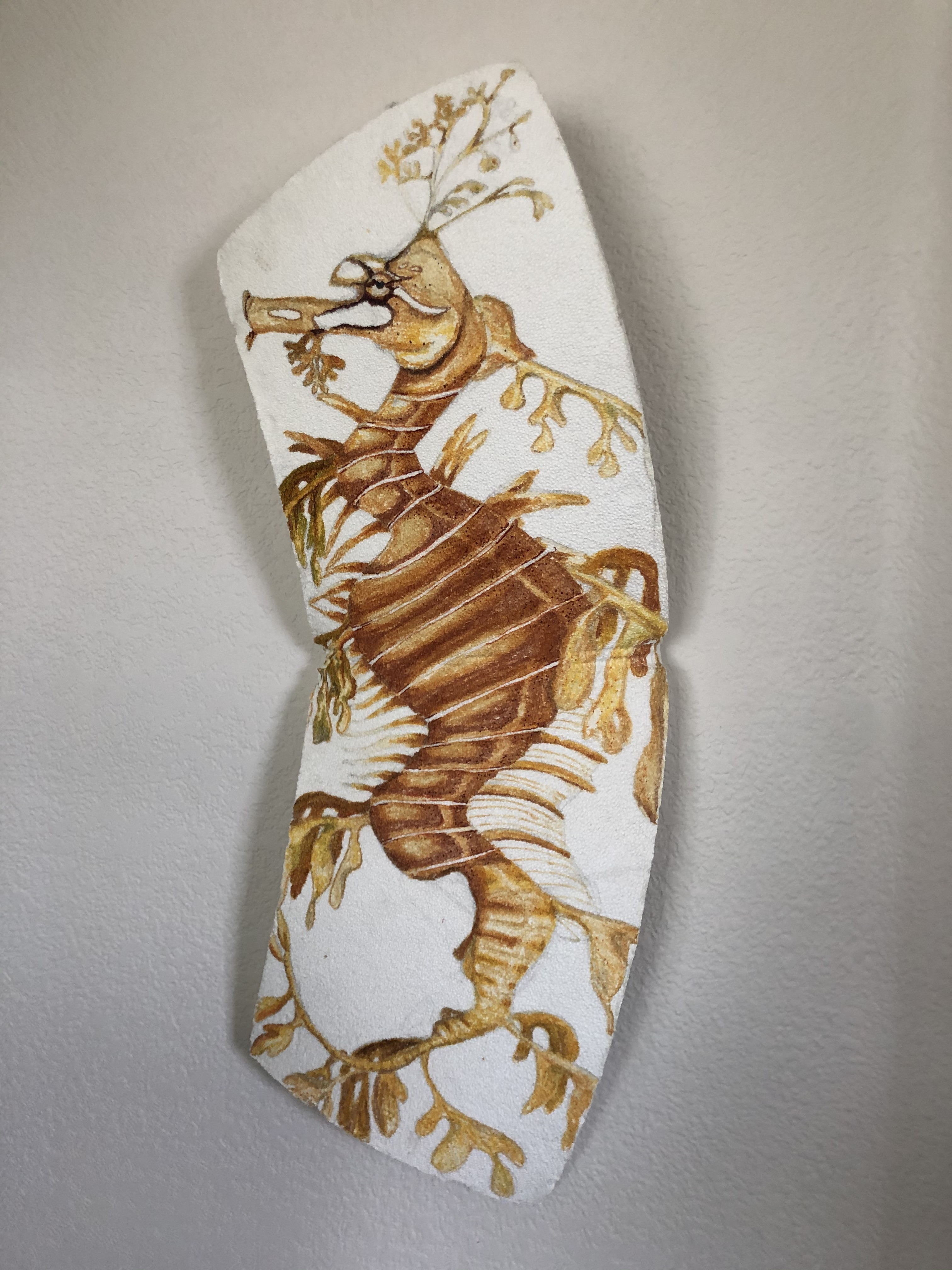
DeepSea Art
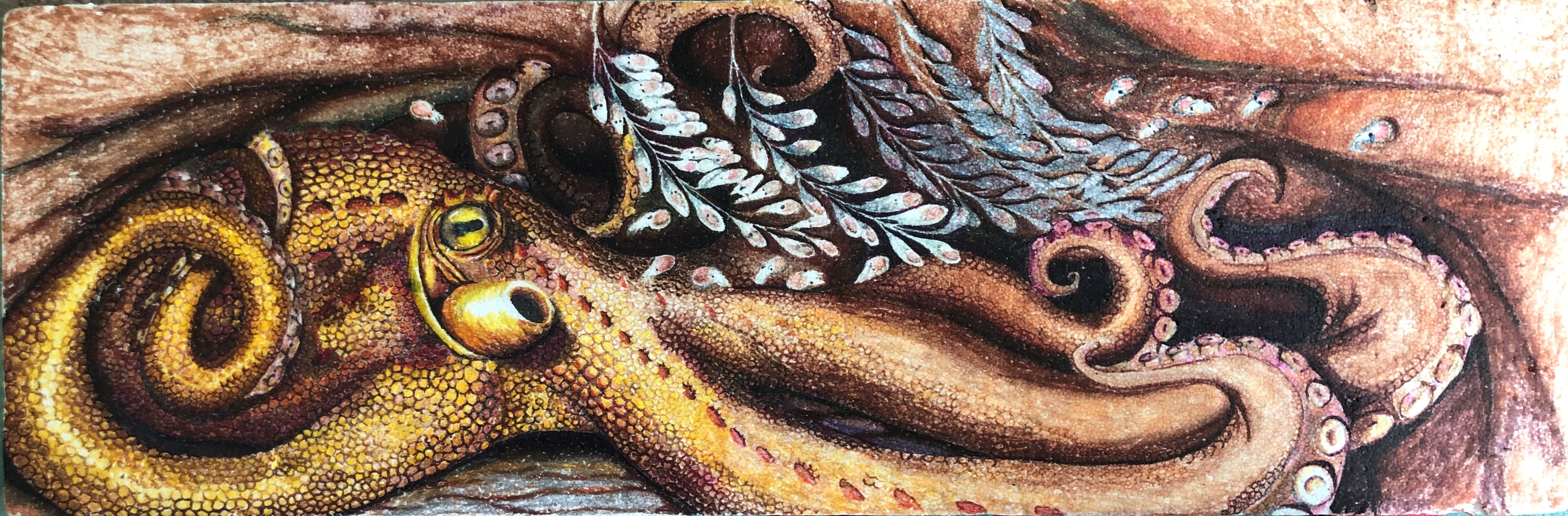
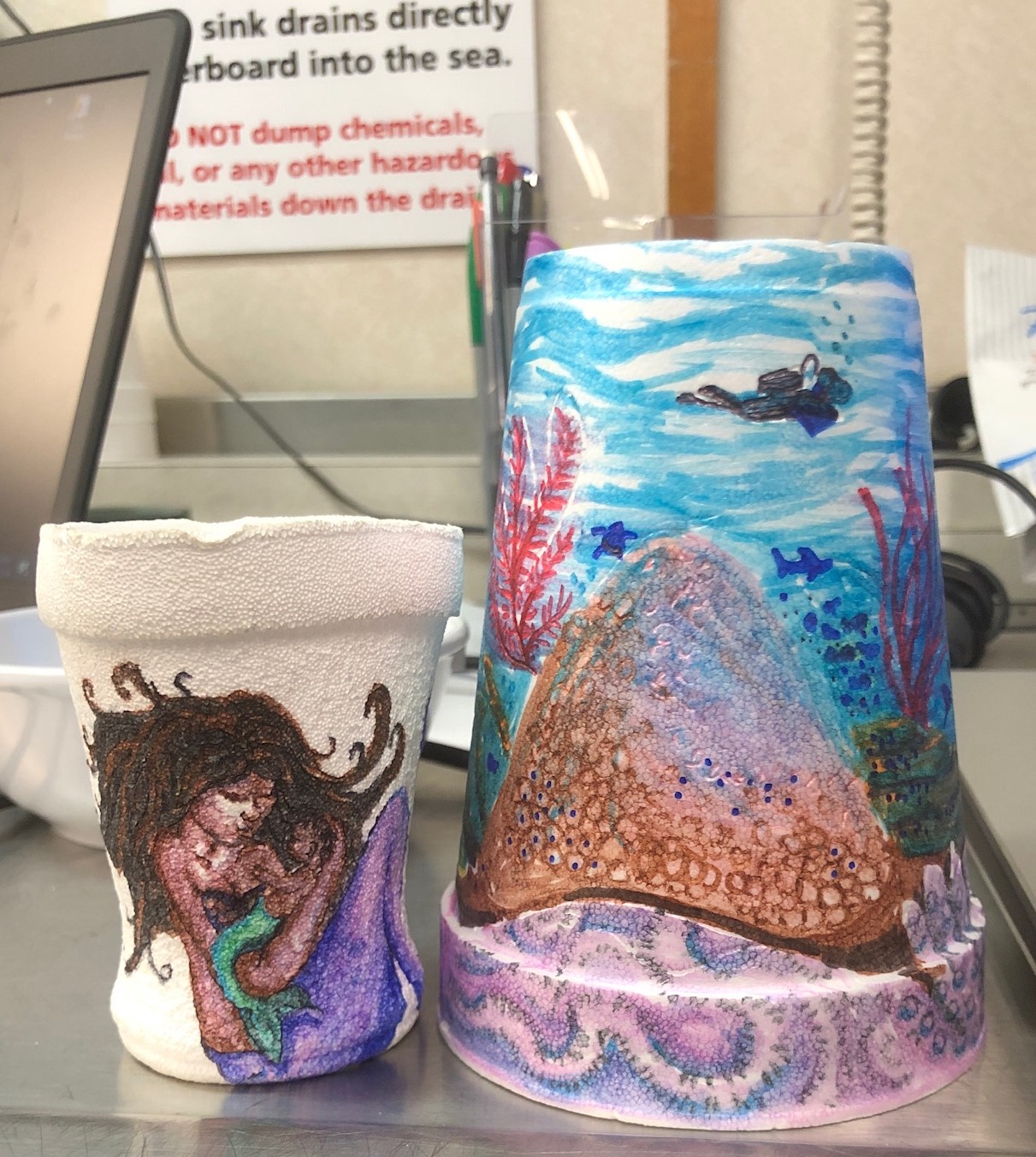
Art created from Sharpie on recycled Styrofoam and Styrofoam cups… and then sent to the bottom of the ocean to be shrunken.
Who I Am
I am a Deep Sea Nerd
I knew I wanted to be a marine biologist when I was about 3 years old. My favorite book was a Donald Duck book with a picture of an octopus on the last page. I can’t tell you how many times I asked my mother to read this book to me. When I was in my teens, I saw a TV documentary that featured Edie Widder and the Johnson-Sea-Link and I told myself, “I will get on that sub one day“. When I was in graduate school at Nova Southeastern University, I finally had the opportunity. I dove to 1,200 feet in the JSL in a sinkhole off Miami. Since that time I have participated in over 25 research cruises and co-authored over 75 book chapters, journal articles, technical reports and presentations.
Current Cruise
NOAA Ship Okeanos Explorer
November 1-21, 2019
Stephanie Farrington
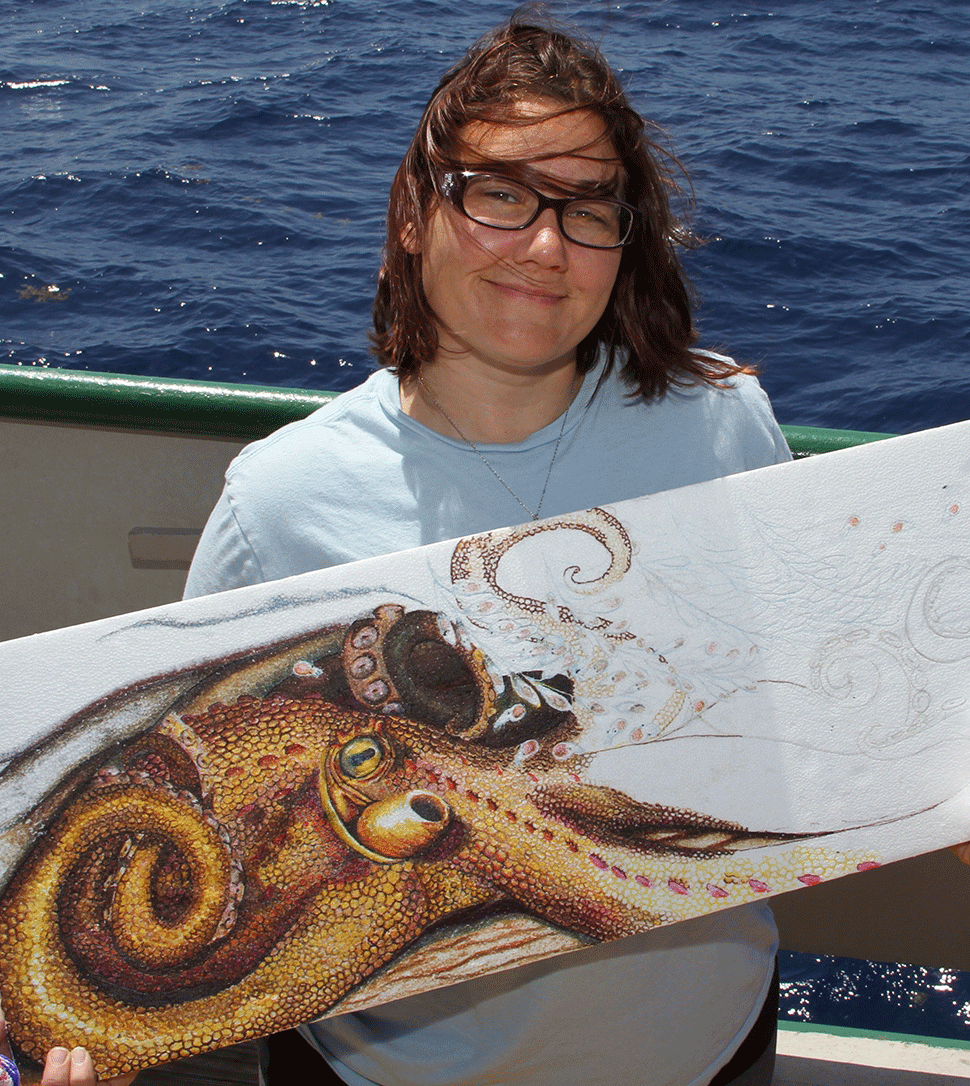
Me at sea in the Gulf of Mexico with The Octopus Mom- in progress.
Get In Touch With Me
Thanks For Visiting!